

Jamdani fabrics
Bangladesh has made massive economic and social progresssince gaining independence in 1971.The country has made a notable mark in the global map for its textiles industry, emerging as one of the largest garment exporters in the world
Among its rich array of textile crafts, if there is one that enjoys cult-favourite status, it is indisputably the Jamdani. While Jamdani may not have garnered international fame to the extent it deserves, locally it remains the nation’s most cherished fabric. Popularly worn as a sari on special occasions, Jamdani evokes a unique sartorial joy. A quick search of #jamdani on Instagram will show you why it holds such reverence.
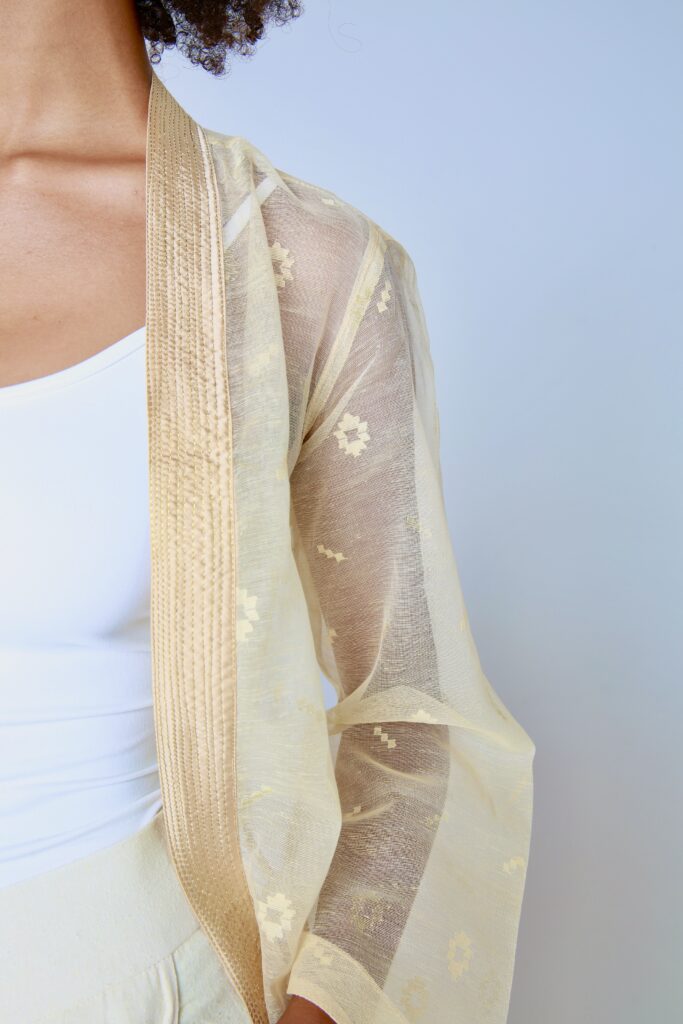
So, why is Jamdani such a beloved favourite? For one, it is considered one of the finest varieties of muslin, steeped in centuries of history. Vivid Mughal-inspired motifs are handwoven onto the most delicate fabric to create pieces that exude timeless luxury. Its highly breathable and lightweight characteristics make it perfect for the warmer climate of Bangladesh.
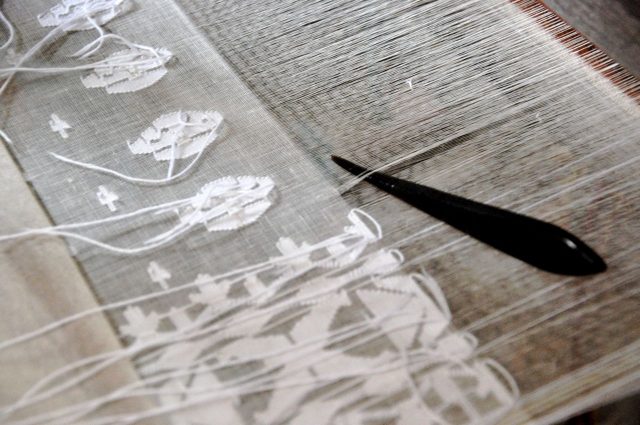
Above all, what makes Jamdani truly unique is the craftsmanship of the weavers—a niche, highly skilled group of handloom artisans who have perfected this art in Bengal for centuries. Jamdani is a true labour of love. It is a time-consuming process involving elaborate threading and weaving. The motifs are imprinted directly on the loom using the discontinuous weft technique, and a single sari can take months to complete. Many motifs are woven from memory, passed down through generations of artisans. Not everyone can produce Jamdani, which is why in 2013 it was recognised by UNESCO as an Intangible Cultural Heritage craft.
Jamdani is the sartorial equivalent of gold. Machine-produced replicas can never compete with the refined elegance of an authentic piece. Collectors and enthusiasts take pride in identifying genuine Jamdani, which often carries a hefty price tag. A Jamdani sari is no less than a family heirloom, lovingly passed down from mother to daughter. They come in a variety of designs—ranging from bold and artistic to soft and feminine—ensuring there is a Jamdani for every occasion. And just when you think you have seen the most exquisite design, you stumble upon another that takes your breath away.
Earlier this year, Bangladeshi actress Azmeri Haque Badhon turned heads at the Cannes Film Festival in a classic, 100-thread count beige-olive half-silk Jamdani adorned with golden jori thread. The sari made every Bengali woman—and man—around the world swell with pride.
Jamdani is more than just fabric; it is a symbol of pride and identity for Bangladesh. It is the garment people gravitate towards when representing their motherland on an international stage. Wherever you find a Bangladeshi woman, you will almost always find at least one Jamdani sari lovingly preserved for a special occasion. Indeed, these saris unite Bengalis across the globe—from New York to London, Dhaka to Sydney. Quite simply, wearing a Jamdani sari makes one feel like Bengali royalty.
Mustafiz Hakim is committed to upholding this ancient Bengal tradition and honouring the craftsmen who have dedicated their lives to preserving, promoting, and sustaining this beautiful heritage. With pride and passion, we hope to bring Jamdani into the international spotlight—where it so rightfully belongs.